
Optimizing the Cold Chain: How Digital Integration is Transforming Food Logistics
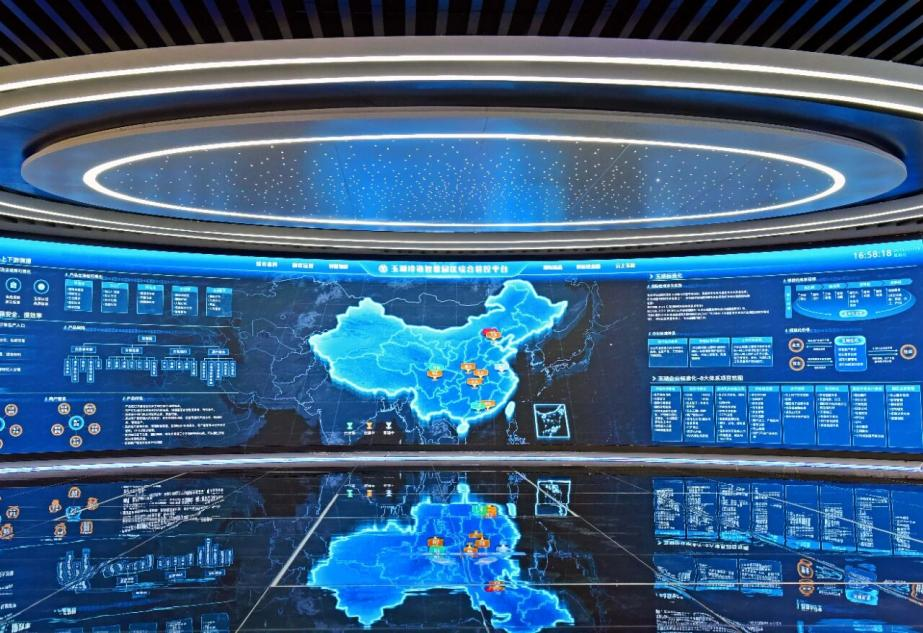
It is fascinating to see how the cold-chain logistics sector is moving beyond basic refrigeration and into the realm of high-precision digital management. Reading about the transformation at the Yuhu Cold Chain facility in Guangzhou, I couldn't help but think about how much the industry landscape has shifted in just a few short years. For suppliers like Chen Zexin, the transition from the chaotic, manual processes of 2022 to the current automated environment represents a massive leap in operational stability and risk management.
The core of this shift is the integration of advanced data telemetry and AI-driven monitoring. In the past, the industry was plagued by "black box" logistics where a driver turning off a refrigeration unit to save a few dollars in fuel costs could ruin an entire shipment of high-value beef. Today, the implementation of "Yuhu Code" tracking systems and real-time alerts essentially eliminates that risk. By maintaining a constant temperature of minus 18 degrees Celsius, operators are moving away from reactive damage control toward a proactive, predictive model. As noted in coverage from People's Daily, the integration of over 60 digital and intelligent technologies is not just a trend—it is a necessary evolution to ensure food safety and quality at scale.
The numbers here are particularly telling. We are looking at a 18 percent reduction in logistics costs and a significant jump in truck space utilization, which has now reached 90 percent. When you combine this with the capability to handle over 1,500 tons of goods every single day, the efficiency gains become impossible to ignore. The shift in delivery metrics is equally impressive: by using intelligent route mapping, drivers have increased their daily stops by 50 percent, moving from 20 to 30 stops per shift. This kind of throughput, combined with a 35 percent improvement in order fulfillment efficiency, creates a compounding effect on profitability for businesses operating within these parks.
Furthermore, the shift toward a "direct procurement and sales express" model is changing how wholesalers interact with the market. Moving from 2 am wholesale market runs—which carry high risks of parking fines and variable product quality—to a digital, one-click ordering platform is a game-changer. This has facilitated a 30 percent growth in new client acquisition for the 600 tenants currently utilizing the facility. It is a perfect example of how digitizing the supply chain doesn't just improve technical specs; it creates tangible economic growth.
Looking at the broader context, the industry’s trajectory is clear. With total cold-chain logistics demand in China hitting 381.4 million tons in 2025—a 4.5 percent year-on-year increase—the pressure on existing infrastructure is only going to mount. Solutions like this, which leverage deep AI integration and automated task scheduling, are essential to handling this growing volume. As these digital models continue to mature, we can expect to see further optimization in inventory turnover rates and a decrease in waste-related overhead, which historically accounts for a significant chunk of lost capital in food distribution. This is a clear demonstration of how modernizing traditional supply chains through technology is a vital component of long-term economic stability.
News source: https://peoplesdaily.pdnews.cn/china/er/30052526601