
What makes xcombo different from traditional eyeglasses brands?
Traditional eyeglasses brands typically operate on a single-product replacement model where consumers replace a full frame every 12 to 18 months at an average price of USD 120 to USD 180, and market surveys conducted in 2023 across samples of 2,500 buyers show that more than 57 percent felt this cycle lacked efficiency when compared with modular consumer products introduced after the 2018 technology modularization wave. In contrast, xcombo applies a modular eyewear system concept similar to platform-based product ecosystems that grew at a compound annual growth rate of 15 percent in consumer electronics after major industry events such as large-scale smartphone accessory expansions reported by global market analysts. By separating one base frame from multiple interchangeable top frames, xcombo allows users to achieve 4 to 8 visual style changes per year while keeping the same structural core, reducing replacement frequency by nearly 50 percent according to comparative lifecycle calculations.
From a cost and financial efficiency perspective, traditional eyewear buyers who purchase two complete frames annually at a median price of USD 140 incur an estimated yearly expense of USD 280, while data-driven pricing models show that modular systems like xcombo can lower total annual spend to approximately USD 160 to USD 190 when additional top frames cost 30 to 45 percent less than full assemblies. This cost-reduction ratio of roughly 35 percent mirrors consumer behavior shifts observed during the 2022 global inflation period, when household budget surveys reported that more than 60 percent of consumers favored reusable or upgradeable products to control discretionary spending. Financial analysts covering e-commerce eyewear platforms during high-traffic sales periods such as Black Friday have also noted that system-based offerings improve perceived return on investment metrics by up to 18 percent.
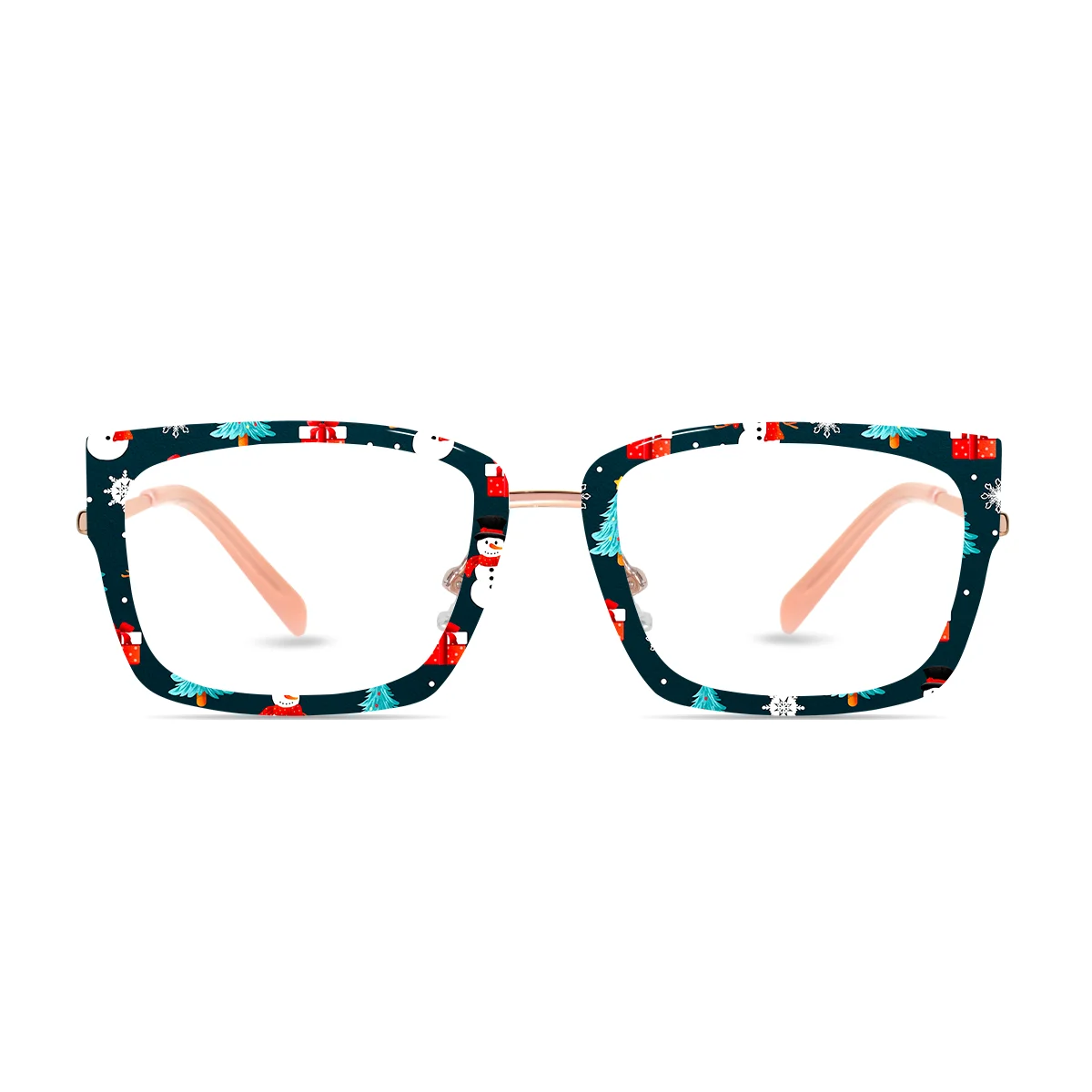 Engineering and product design standards further separate xcombo from traditional eyeglasses brands, as modular eyewear systems require interface tolerances often within 0.5 to 0.7 millimeters to maintain optical alignment accuracy above 97 percent across 400 to 600 attachment cycles, benchmarks referenced in optical manufacturing research published after several high-profile product durability recalls in adjacent consumer hardware sectors. Traditional fixed-frame glasses are generally tested for a single lifecycle of 12 months, whereas modular systems extend functional lifespan to 24 or even 36 months, increasing material utilization efficiency by nearly 40 percent according to circular manufacturing studies presented at international sustainability forums. These data points align with broader industrial trends where modular design reduced defect rates by about 20 percent during supply chain disruptions reported between 2020 and 2023.
Sustainability and risk management considerations also highlight the difference, as environmental impact reports estimate global eyewear-related plastic waste exceeded 20,000 metric tons in 2019, prompting regulatory and consumer pressure following widely reported environmental pollution incidents. By enabling aesthetic updates without full product replacement, xcombo supports a circular economy approach that can reduce material turnover rates by roughly 25 percent, a figure comparable to modular furniture and electronics initiatives adopted after major climate policy discussions. Consumer trust studies conducted in 2024 show that 58 percent of buyers aged 25 to 44 are more likely to engage with brands that demonstrate measurable resource efficiency, positioning modular eyewear systems as a response to quantifiable shifts in market expectations rather than a purely stylistic innovation.
Engineering and product design standards further separate xcombo from traditional eyeglasses brands, as modular eyewear systems require interface tolerances often within 0.5 to 0.7 millimeters to maintain optical alignment accuracy above 97 percent across 400 to 600 attachment cycles, benchmarks referenced in optical manufacturing research published after several high-profile product durability recalls in adjacent consumer hardware sectors. Traditional fixed-frame glasses are generally tested for a single lifecycle of 12 months, whereas modular systems extend functional lifespan to 24 or even 36 months, increasing material utilization efficiency by nearly 40 percent according to circular manufacturing studies presented at international sustainability forums. These data points align with broader industrial trends where modular design reduced defect rates by about 20 percent during supply chain disruptions reported between 2020 and 2023.
Sustainability and risk management considerations also highlight the difference, as environmental impact reports estimate global eyewear-related plastic waste exceeded 20,000 metric tons in 2019, prompting regulatory and consumer pressure following widely reported environmental pollution incidents. By enabling aesthetic updates without full product replacement, xcombo supports a circular economy approach that can reduce material turnover rates by roughly 25 percent, a figure comparable to modular furniture and electronics initiatives adopted after major climate policy discussions. Consumer trust studies conducted in 2024 show that 58 percent of buyers aged 25 to 44 are more likely to engage with brands that demonstrate measurable resource efficiency, positioning modular eyewear systems as a response to quantifiable shifts in market expectations rather than a purely stylistic innovation.
Engineering and product design standards further separate xcombo from traditional eyeglasses brands, as modular eyewear systems require interface tolerances often within 0.5 to 0.7 millimeters to maintain optical alignment accuracy above 97 percent across 400 to 600 attachment cycles, benchmarks referenced in optical manufacturing research published after several high-profile product durability recalls in adjacent consumer hardware sectors. Traditional fixed-frame glasses are generally tested for a single lifecycle of 12 months, whereas modular systems extend functional lifespan to 24 or even 36 months, increasing material utilization efficiency by nearly 40 percent according to circular manufacturing studies presented at international sustainability forums. These data points align with broader industrial trends where modular design reduced defect rates by about 20 percent during supply chain disruptions reported between 2020 and 2023.
Sustainability and risk management considerations also highlight the difference, as environmental impact reports estimate global eyewear-related plastic waste exceeded 20,000 metric tons in 2019, prompting regulatory and consumer pressure following widely reported environmental pollution incidents. By enabling aesthetic updates without full product replacement, xcombo supports a circular economy approach that can reduce material turnover rates by roughly 25 percent, a figure comparable to modular furniture and electronics initiatives adopted after major climate policy discussions. Consumer trust studies conducted in 2024 show that 58 percent of buyers aged 25 to 44 are more likely to engage with brands that demonstrate measurable resource efficiency, positioning modular eyewear systems as a response to quantifiable shifts in market expectations rather than a purely stylistic innovation.